How a Conversion-Focused Ecommerce Redesign Increased Annual Online Revenue by 96%
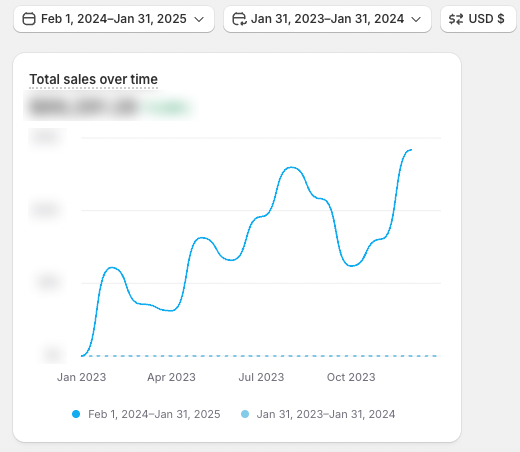
We consolidated a fragmented marketing site and ecommerce store into one conversion-focused Shopify experience — nearly doubling annual online revenue with no material changes to traffic or pricing.
+96%
Online revenue
+42%
Conversion rate
140s
Avg. session duration

Overview
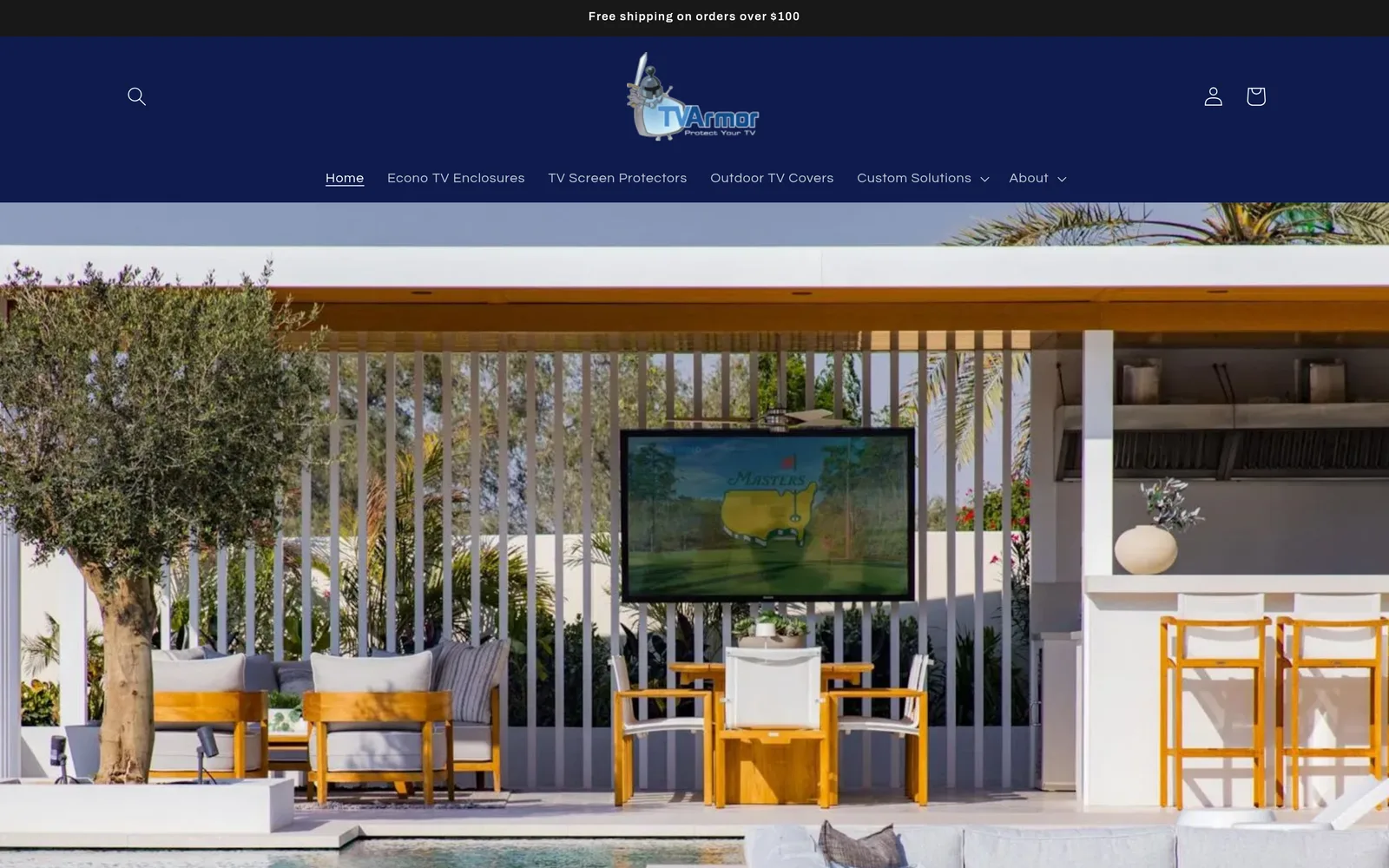
An established manufacturer of premium protective TV enclosures had built a strong commercial business serving schools, hospitals, sports venues, restaurants, detention centers, malls, and other organizations. However, its ecommerce channel was significantly underperforming.
The company’s online experience was split between an informational marketing website and a separate ecommerce store. Both websites were dated, slow, and lacked the visual consistency and trust required to sell a specialized, high-consideration product.
We consolidated the two websites into a single conversion-focused Shopify experience designed to improve trust, reduce friction, preserve existing organic search traffic, and increase online sales.
Within 12 months of launch, annual ecommerce revenue increased by 96%, with no material changes to pricing, traffic acquisition, product offerings, or other sales channels.
The Challenge
The company had been operating since 2008 and had developed a strong reputation and valuable commercial partnerships. Its online presence, however, no longer reflected the quality of its products or the maturity of the business.
The ecommerce store was built on an outdated, non-mobile-optimized platform. The company’s educational and marketing content lived on a separate domain, creating a fragmented customer journey.
Visitors researching the product on the marketing website had to move to an entirely different website to make a purchase. Many never made that transition. Those who reached the ecommerce store encountered a dated design, slow performance, inconsistent branding, and limited reassurance around a relatively expensive purchase.
The primary issues included:
- A disconnected two-website customer journey
- Poor mobile usability
- Slow page-load performance
- Weak visual and brand consistency
- Limited trust and product-quality messaging
- Outdated product imagery and copy
- Increased technical and administrative overhead
- Significant risk of losing existing SEO rankings during consolidation
The business was performing well through offline commercial relationships, but its ecommerce channel was leaving substantial revenue on the table.
The Strategy
The objective was not simply to modernize the website. The project was structured around one central business goal: increase online sales without sacrificing the company’s existing organic search visibility.
We rebuilt the ecommerce experience on Shopify and consolidated the marketing and transactional websites into one cohesive customer journey.
The new website was designed around several conversion principles.
Mobile-First Experience
The previous ecommerce store was not properly optimized for mobile devices. The new experience was designed mobile-first, making it easier for customers to research products, understand the available options, and move toward a purchase across screen sizes.
Reduced Buying Friction
Educational content, product information, and ecommerce functionality were brought together under one website.
Visitors could move from product research to product selection and checkout without being redirected to a separate domain or encountering a completely different visual experience.
Stronger Trust Signals
The website prominently communicated the factors most likely to reduce hesitation around a premium purchase, including:
- Made in the USA
- Free shipping
- Easy installation
- Money-back guarantee
- Product durability and quality
These messages were placed throughout the buying journey rather than buried in secondary pages.
Improved Product Positioning
The copy was rewritten to better address the company’s residential and commercial customers and to explain the quality, durability, and practical value of the product.
Higher-quality photography was introduced to help customers understand the product and reinforce that it was a premium, professionally manufactured solution rather than a commodity accessory.
Faster Website Performance
Website performance was treated as part of the conversion experience rather than merely a technical metric.
The new Shopify implementation significantly reduced load times and made it easier for visitors to explore the site, compare options, and consume the educational content required before making a high-consideration purchase.
Preserving Organic Search Performance
One of the greatest risks was consolidating two established websites without damaging the company’s existing organic search rankings.
The company had accumulated a substantial library of SEO content and ranked well for many of its most important commercial keywords. A poorly managed migration could have erased years of search equity.
The consolidation therefore required careful handling of:
- Existing URLs
- Page content
- Redirects
- Internal linking
- Search metadata
- Duplicate or outdated pages
- Domain authority and topical relevance
Lower-quality and outdated SEO pages were removed or consolidated, while valuable content and ranking signals were preserved.
Despite moving from two websites to one, the company experienced no meaningful decline in organic traffic during the migration.
The Results
The new website was designed and launched within six weeks. Performance was then measured across the 12 months following launch.
96% Increase in Annual Ecommerce Revenue
Annual online revenue increased by 96%, nearly doubling during the first year after launch.
The website rebuild was the primary material business change during the measurement period. Pricing, product offerings, traffic strategy, advertising activity, and other sales channels remained substantially unchanged.

42% Increase in Ecommerce Conversion Rate
Following the redesign, the ecommerce conversion rate improved by approximately 42%.
Although conversion rates for specialized, high-consideration products are typically lower than in lower-priced ecommerce categories, customers typically require more research, education, and consideration before purchasing — which made the conversion lift especially meaningful.
509% Increase in Average Session Duration
Average session duration increased from approximately 23 seconds to 140 seconds, an improvement of approximately 509%.
Visitors were no longer immediately abandoning a slow, fragmented experience. They were spending more time reading product information, evaluating the available options, and learning why the product justified its premium price.
For a high-consideration product, this increased engagement was an important leading indicator of purchasing intent.
Lighthouse Performance Score Increased from 42 to 81
The website’s Lighthouse performance score increased from 42 to 81, an improvement of approximately 93%.
First Contentful Paint Improved from 11 Seconds to 1.9 Seconds
First Contentful Paint decreased from approximately 11 seconds to 1.9 seconds, an improvement of approximately 83%.
Customers could begin interacting with the new website more quickly, particularly on mobile devices and slower connections.
Additional Business Benefits
The project also improved the company’s internal operations.
Migrating to Shopify gave the team a significantly easier back-office experience for managing products, orders, and website content.
Consolidating two websites into one also reduced ongoing technical maintenance and eliminated the need to manage disconnected systems, designs, and content libraries.
The result was not only a higher-performing ecommerce channel, but a simpler and more maintainable digital operation.
Client Feedback

Conclusion
The company did not need a superficial visual refresh. It needed a website built around the actual way customers researched, evaluated, and purchased a premium product.
By consolidating two disconnected websites, improving speed, strengthening product presentation, adding trust signals, and preserving existing SEO equity, the company transformed an underperforming ecommerce channel into a substantially more productive source of revenue.
The project demonstrates that when an established company has strong products and existing demand, a dated and fragmented digital experience can become a serious constraint on growth.
Sometimes the opportunity is not hidden in a complicated marketing strategy. It is sitting directly inside the customer experience.