Get in Touch

Paid media for healthcare practices

Google & Meta AdsAds that fill the schedule

Managed Google and Meta campaigns, running on a follow-up system that catches every lead. Campaign success is determined by new patients and collected revenue in your EHR, not vanity metrics coming from the ad platforms.

Get an ad account review

4.2×

Six-month ROAS

−86%

Cost per lead

~21%

Page-to-lead conversion

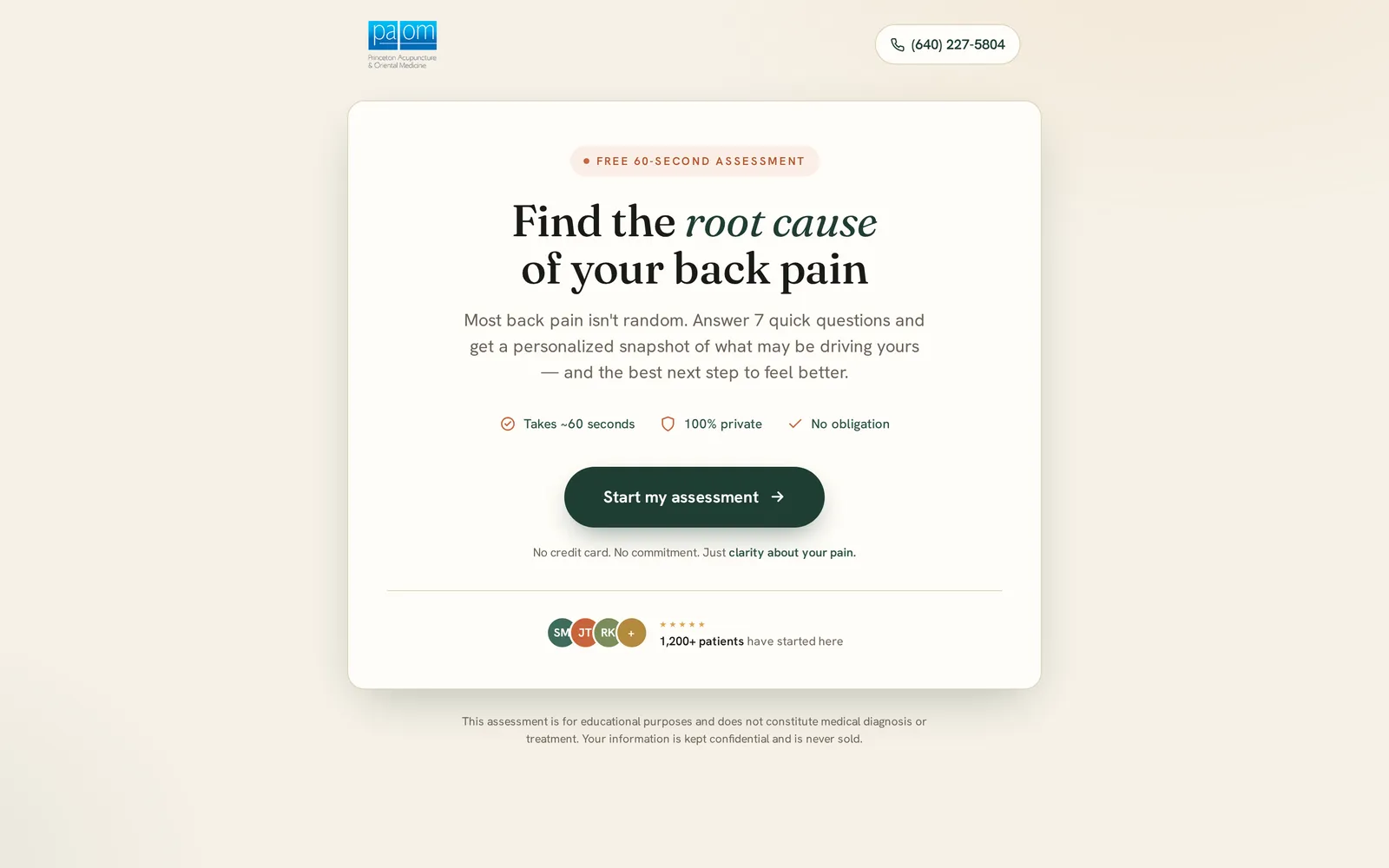
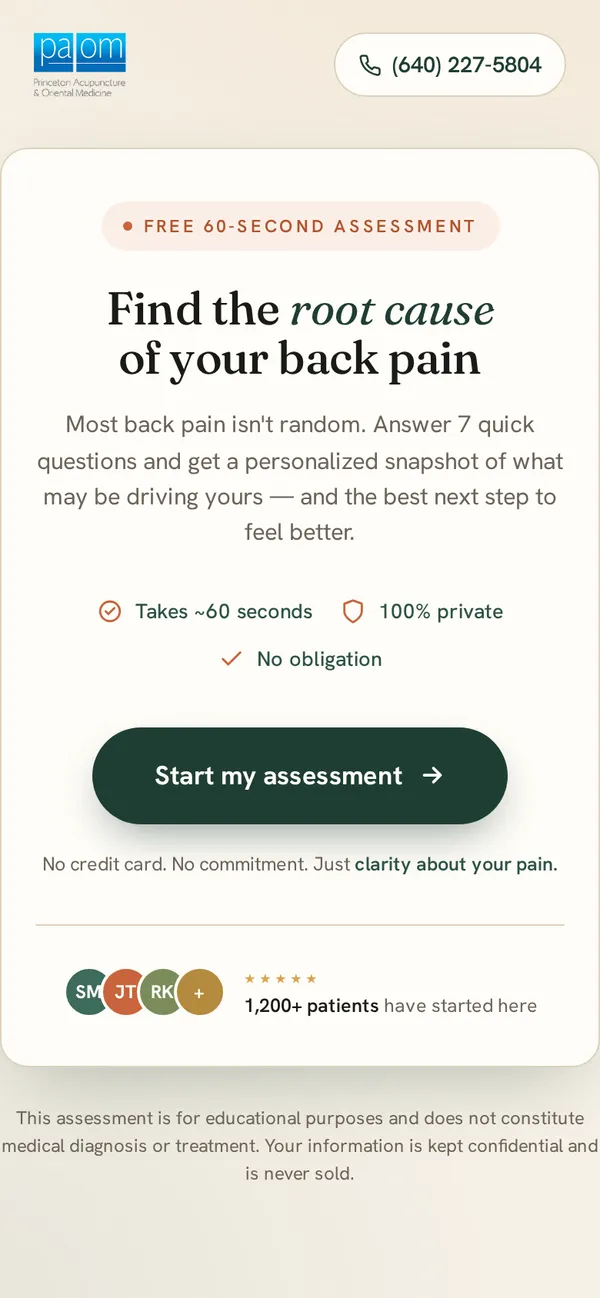
Read the Princeton Acupuncture & Oriental Medicine Meta Ads Case Study

The real failure point

Ads are only one part of the patient-acquisition system.

Ads often fail before they launch because no financial model was created to define what success looks like.

We calculate your patient LTV from data in your EHR. That number, along with your business goals, determines what we can spend per qualified lead and appointment.

Then we connect the data. Healthcare's patient journey is spread across the ad platform, website analytics, CRM, and EHR. No one system can tell you where growth is breaking down. Pulling those signals together lets us see the full path from ad spend to collected revenue.

From there, we optimize the constraint. If leads are not being followed up, the answer is not new creative. If billing is the bottleneck, more traffic will not fix it. We look at the entire journey, identify the highest-leverage problem, and fix that before asking the ads to do more.
What we run

A fixed playbook, applied to your market.

This is execution, not open-ended strategy consulting. The same core pieces get built and maintained for every practice we run ads for.

01

Audit and quick wins

We audit the account, tracking, landing pages, and follow-up to see what is working, what is wasting spend, and where the quickest gains are. We scale the winners, shut off the losers, and establish the baseline that directs everything to come.

02

Account structure

Campaigns built around treatments and service areas instead of platform defaults, with clean naming, sensible budget separation, and exclusions that stop spend leaking into the wrong geography or the wrong search intent.

03

Conversion tracking

Pixel and tag setup verified end to end, the Meta Conversions API wired server-side, and offline conversions fed back from the follow-up system so the platforms learn from booked appointments rather than from form fills.

04

Audiences and keywords

Keyword sets built from condition and treatment language with negatives maintained weekly on the Google side. Geographic targeting, lookalikes, exclusions of existing patients, and retargeting of page and video engagers on the Meta side.

05

Creative production

Static, video, and UGC-style ads produced in enough volume to test properly. Angles are drawn from what patients actually say about the problem, and losing variants are replaced on a regular cycle so performance does not decay into fatigue.

06

Offer design

The reason a stranger acts today. A consultation, an assessment, a first-visit structure, or a specific condition programme — shaped with you around what your practice can deliver profitably and what your schedule can absorb.

07

Landing pages

Dedicated pages built for the campaign rather than the homepage. One decision per page, mobile-first, fast, and wired to the follow-up system so a submission triggers contact immediately.

08

Ongoing optimisation

Budget moved toward what books, search terms and placements pruned, new creative into rotation, landing page tests, and a monthly read on cost per booked appointment with the next change named before the call ends.

What we ask of you

Better to say this now than three months in.

Paid media works when both sides hold up their end. Here is ours, stated plainly, so you can decide before there is money on the table.

Ninety days, minimum

Campaigns need conversion volume to exit the learning period, and creative needs several testing cycles before the winners separate from the noise. A thirty-day trial only ever measures the setup. If ninety days is not something you can commit to, this is the wrong time to start.

A real ad budget

Below a certain level of spend there is not enough data for the platforms to learn or for us to make decisions from, and the account stays in permanent learning mode. There is a minimum monthly spend we will discuss on the call. It is set by your market and your goals, not by a package.

One call a month

Thirty to forty-five minutes to review cost per booked appointment, look at what changed, and agree the next move. We do not need weekly meetings, but we do need one decision-maker who shows up and can answer questions about the schedule.

Ad spend paid to the platforms

You pay Google and Meta directly from your own accounts. We never mark up media or take a percentage of spend, which means no incentive to recommend a bigger budget than the practice needs.

If any of that does not fit right now, say so on the call. Declining a bad fit costs us one conversation. Taking one costs you a quarter.

Get an ad account review

Common questions

Paid media FAQ

How long before we see results from paid ads?

Expect the first two to three weeks to be data collection. Campaigns need conversion volume to exit the learning period, and creative needs a testing cycle before the winners are obvious. Leads usually start arriving in the first fortnight; a stable cost per booked appointment usually takes sixty to ninety days. That is why we ask for a ninety-day minimum rather than promising results in week one.

Should we start with Google Ads or Meta Ads?

It depends on the market. If there is meaningful local search volume for your treatments and conditions, Google usually goes first because the intent is already there and the campaign can be smaller and cheaper to prove. If search volume is thin, or the treatment is one patients do not know to search for, Meta goes first because it creates the demand instead of waiting for it. Most practices end up running both. We make the call after looking at search volume, geography, and how many new patients your schedule can absorb.

Who owns the ad accounts?

You do. Campaigns are built inside your Google Ads account, your Meta Business Manager, and your pixel and conversion setup. We work in them as a partner with the access we need. If we stop working together, nothing has to be rebuilt or migrated and no data is held hostage.

What happens to our campaigns if we stop?

The accounts, campaigns, audiences, conversion tracking, creative, and landing pages stay with you. We hand over structure notes and the current state of testing so another team, or you, can pick it up. Ads stop delivering when you stop paying the platforms, but the follow-up system keeps working on the leads already in the database.

Why do you require the follow-up system before running ads?

Because most practice campaigns do not fail on targeting, they fail on intake. Leads arrive and nobody answers them fast enough, so the practice pays for demand it never converts. Spending more on ads into a broken intake process just buys more leaks. The follow-up system answers every lead in seconds, follows up until there is a reply, and books the appointment, so the traffic we buy has somewhere to land.

Do you take a percentage of ad spend?

No. We charge a flat monthly management fee, so our incentive is a booked schedule rather than a bigger budget. Ad spend is paid directly by you to Google and Meta, and you can see every dollar of it in your own accounts.

Explore further

The other ways to work together

Fill the schedule, not the lead list

If the follow-up system is running and the schedule has room, paid media is the next lever. Get an ad account review and we'll tell you whether it's worth pulling.

Get in Touch