Multi-disciplinary rehab · Website & Growth
How Thrive grew website leads 12× and monthly appointments ~143% by making demand measurable
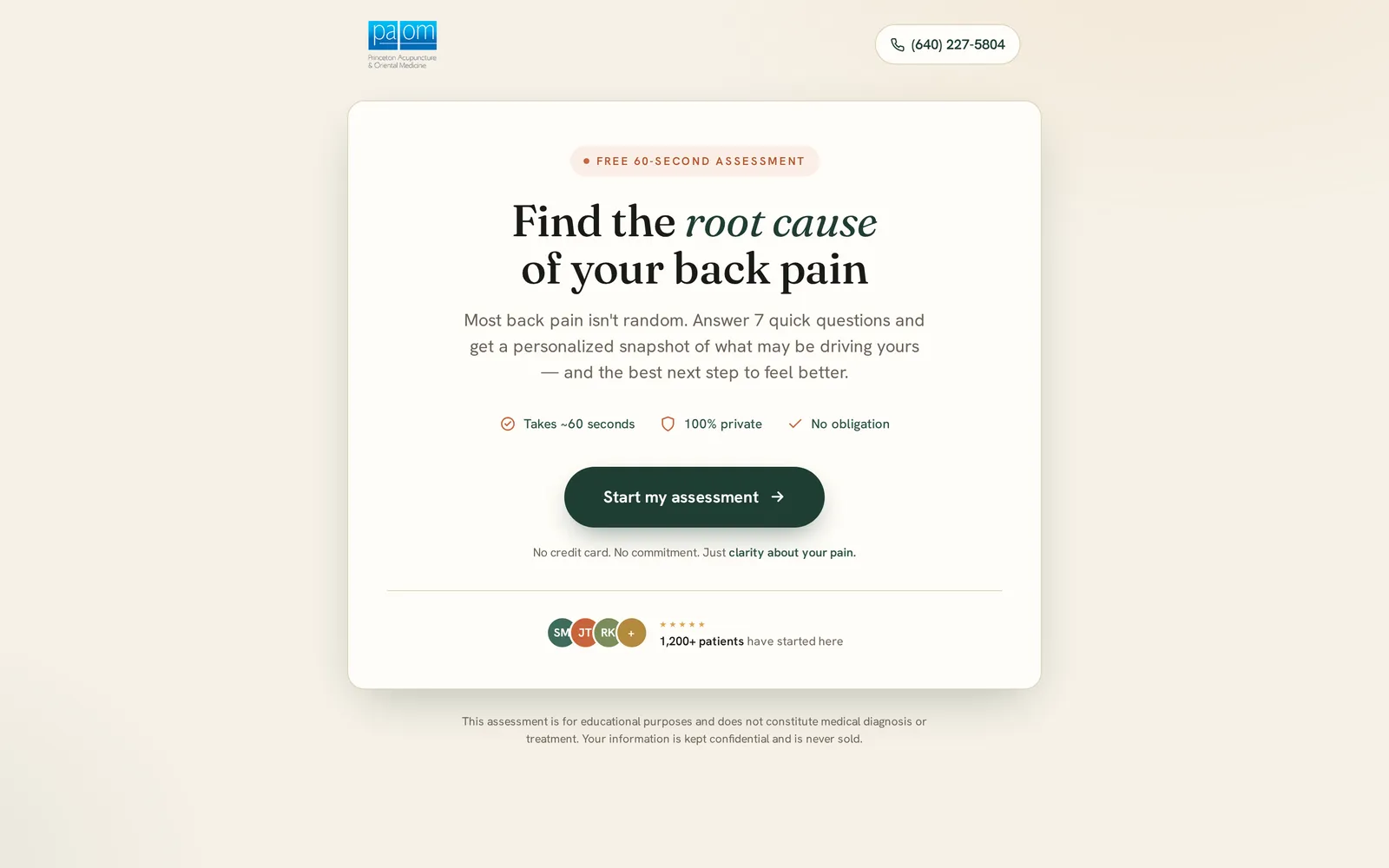
A brand site with chat, Recovery Lounge booking on Mindbody, and closed-loop reporting from a non-cloud EHR to ads and CRM
- 12×
Website leads, year over year
- +143%
Monthly appointments since April 2023
- ~16%
Google Ads conversion rate, up from 4.76%
- Client
- Thrive Spine & Sports Rehab
- Industry
- Multi-disciplinary rehab
- Constraint
- Lead capture & measurement
- Service
- Website & Growth
- Timeline
- April 2023 – present
The challenge
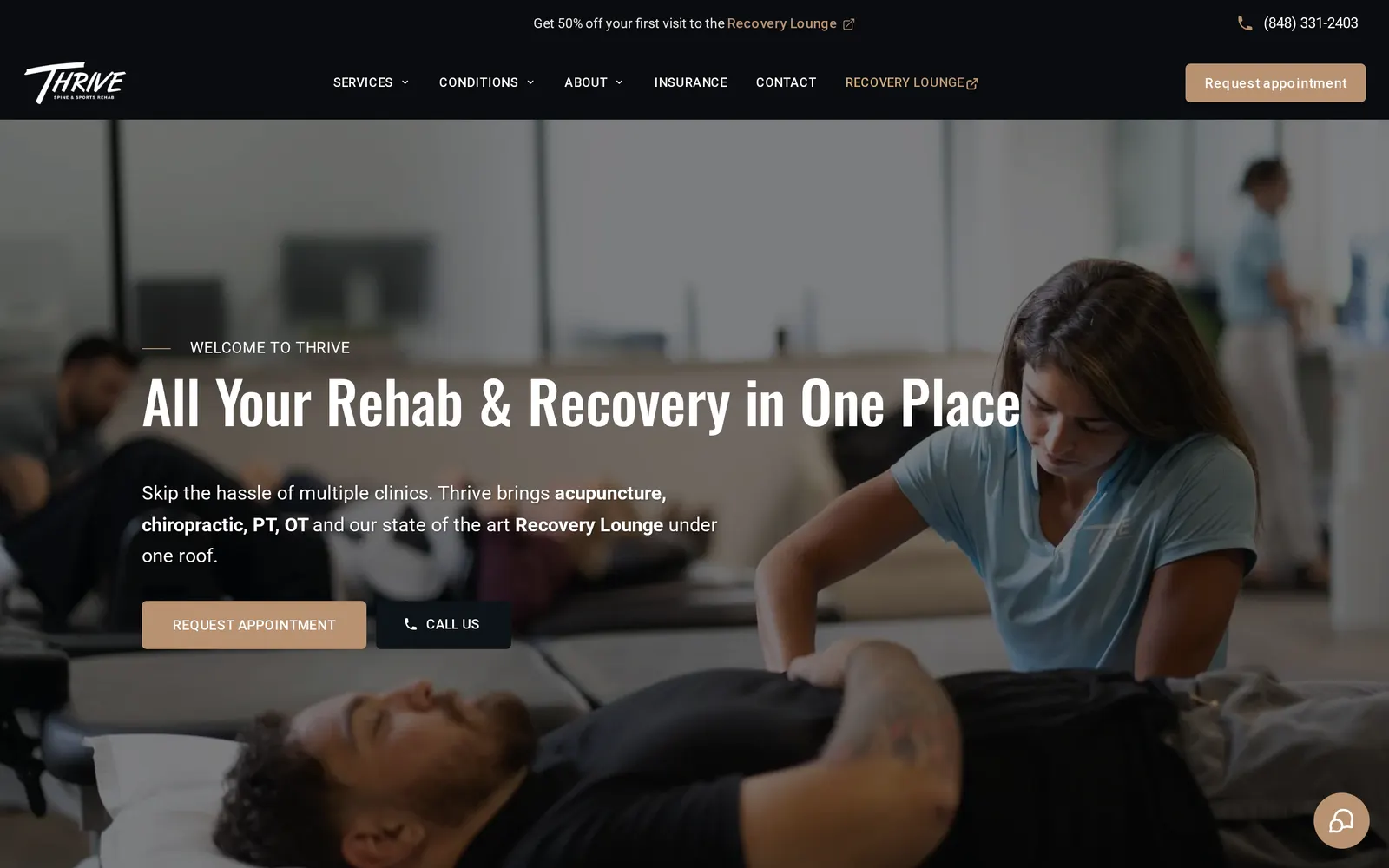
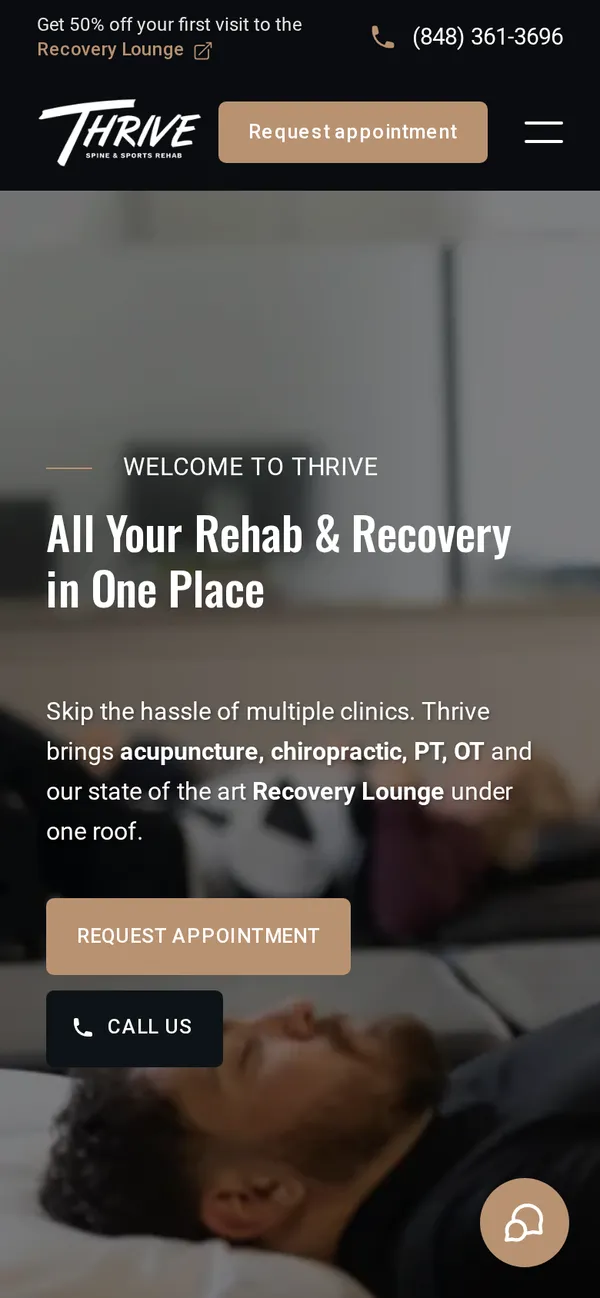
Thrive is a multi-disciplinary practice offering physical therapy, occupational therapy, chiropractic, and acupuncture, plus a separate Recovery Lounge with saunas, cold plunge, compression sleeves, and massage chairs. Like many healthcare businesses, they were investing in digital marketing with no clear line of sight from ads and website activity to real appointments and new patients.
01
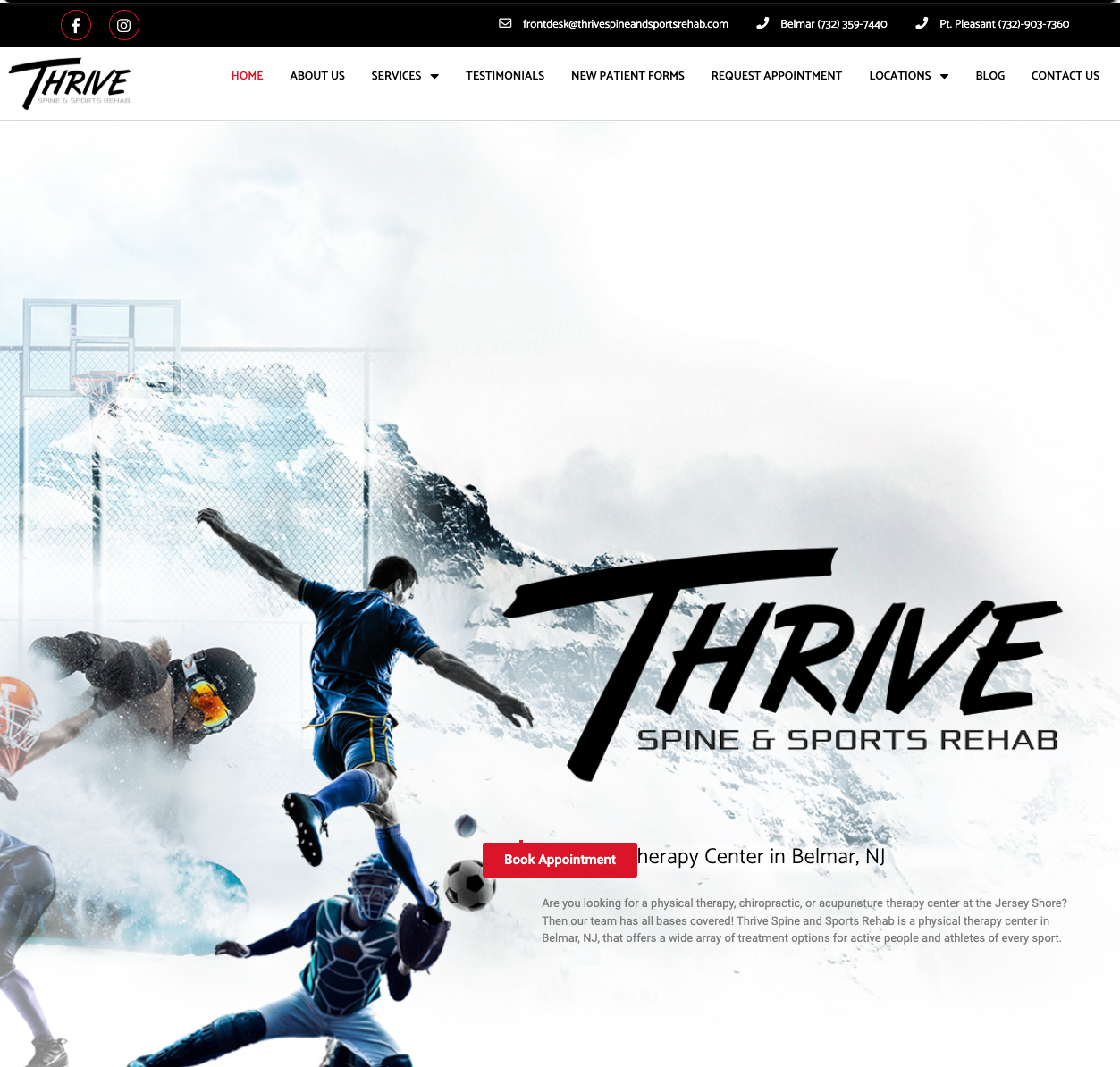
A brochure site with one form
Nothing captured high-intent demand the moment someone was ready to talk, and the form wasn’t built for people who would actually arrive for care.
02
Vanity reporting
The previous agency leaned on click-through rate and views, with little visibility into lead volume, lead quality, or whether scheduled patients showed up.
03
A siloed, non-cloud EHR
Appointment and new-patient data lived away from ad platforms and the CRM, so tying spend to patients in near real time was unusually hard. Insurance dynamics and multi-week care plans stretch the path from click to patient, and platform conversions miss the real story.
04
A Recovery Lounge without commerce
Online booking, gift cards, and memberships had to work, and stay separate from clinical scheduling, so cash-pay recovery demand could grow without front-desk friction.
02
The approach
We sequenced the work around capture, booking, and measurement first, then scaled acquisition on data we could trust. Not vanity traffic.
01
Brand and conversion website
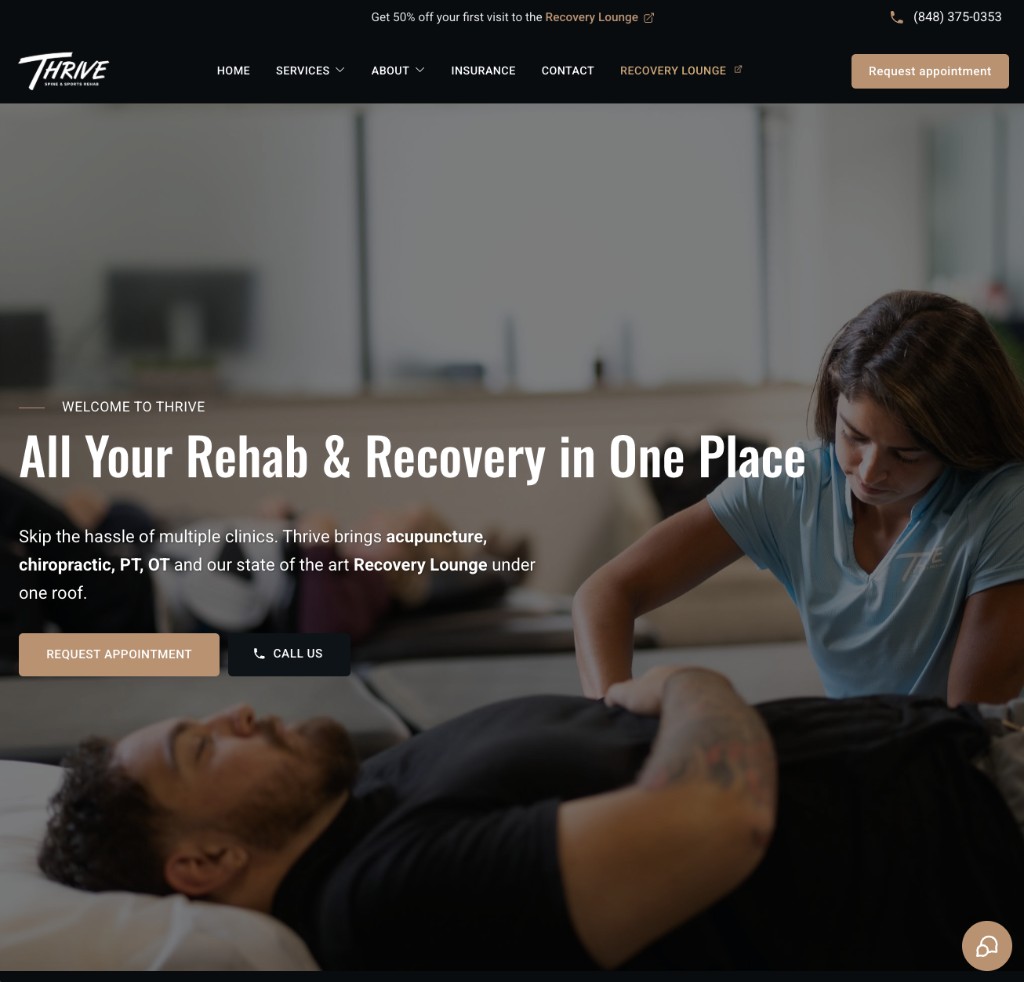
A rebuilt site with a stronger brand and a conversion path designed for high-intent visitors. The biggest change to lead capture was chat alongside the old form. Speed-to-conversation matters in this practice, and chat turned anonymous browsers into countable conversations instead of abandoned forms.
02
Recovery Lounge on Mindbody
Booking migrated onto Mindbody so guests schedule online and Thrive sells gift cards and memberships without manual workarounds. Lounge commerce is now separate from clinical therapy workflows, with a scalable booking layer for cash-pay recovery.
03
Closed-loop measurement across EHR, CRM, and ads
A secure environment pulls new-appointment and new-patient data in near real time and cross-references it with ad spend and CRM lead generation. Thrive now sees which channels produce patients, not just clicks, despite insurance complexity and care plans that unfold over months.
04
Google Ads overhaul
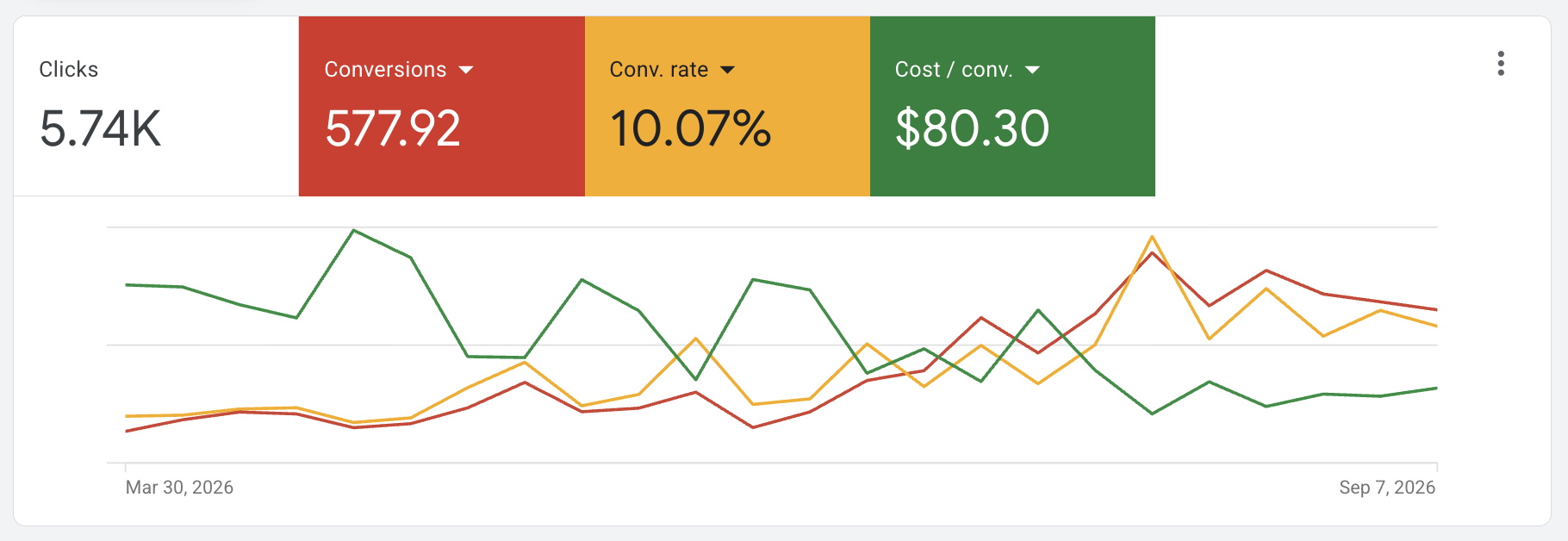
Partnership spend scaled roughly 3× over several years as measurement confidence grew, weighted toward Google Ads and judged on calls lasting 60 seconds or longer. A focused overhaul sprint then rebuilt the Google account: conversion rate moved from 4.76% to about 16%, cost per conversion fell from roughly $187 to about $50, and weekly conversions rose from 8 to 42 while Google spend in that window rose only about 30%.
The results
Partnership ad spend rose about 3× since April 2023 as measurement confidence grew. Appointment growth reflects a multi-year partnership in which Thrive’s organic social and operations are a major driver. The Google Ads chart below covers six months around a recent overhaul sprint — three months before and three months after — when weekly conversions jumped from 8 to 42 on only about 30% more Google spend.
Website leads
Year over year after the June 2025 site and chat launch. Includes roughly 3× higher ad investment over the partnership, so the lift is capture, tracking, and scale together.
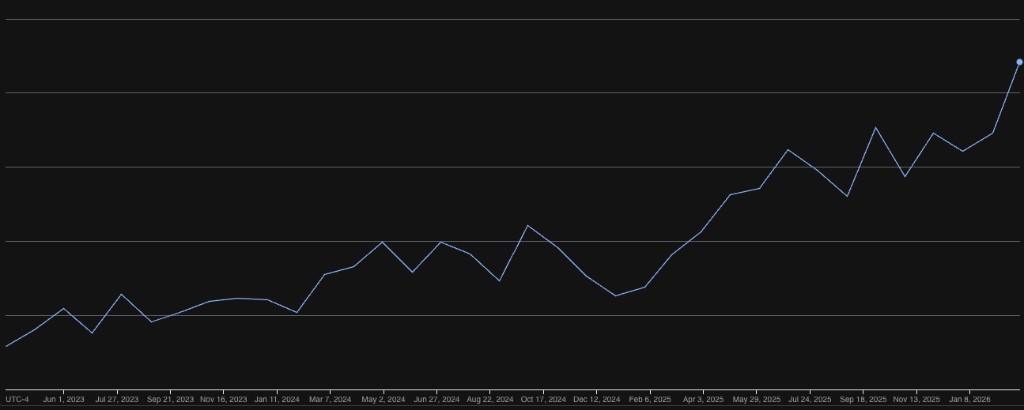
Monthly appointments
Through June 2026. Thrive’s organic social and operations share the credit for this curve.
Google Ads conversion rate
About 3.4× after a major Google Ads overhaul. Measured across a six-month window: three months before the sprint and three months after.
Cost per conversion
Peaked around April during the pre-overhaul stretch, then held near $50 by September after the sprint.
Weekly Google Ads conversions
Roughly 5× weekly conversion volume in the same overhaul window, while Google Ads spend rose only about 30%.
Click-through rate
Up about 78% with refreshed creative and targeting across the same overhaul window.
Ad spend
Partnership-wide since April 2023, weighted toward Google Ads and judged on calls of 60 seconds or longer. Separate from the ~30% Google spend rise inside the six-month overhaul window.
What it means
Thrive now runs a digital system that matches how a multi-disciplinary clinic and recovery lounge actually grow: a site that captures intent, lounge booking and memberships that remove friction, and reporting that connects spend to appointments instead of stopping at platform metrics. That measurement layer is the durable advantage. It makes it rational to scale Google Ads, judge campaigns on 60-second calls and show-ups rather than impressions, and keep fixing the account where the economics actually break.
Bridging a non-cloud EHR to ads and CRM reporting is rare in healthcare. Most agencies lack either the technical ability or the clinical-business context to read long care-plan cycles. Thrive has both, and a founder who sees real data in real time instead of reconstructed justifications. The lesson for similar practices: fix the funnel and the data before you scale spend, then scale with confidence.
04
The evidence